
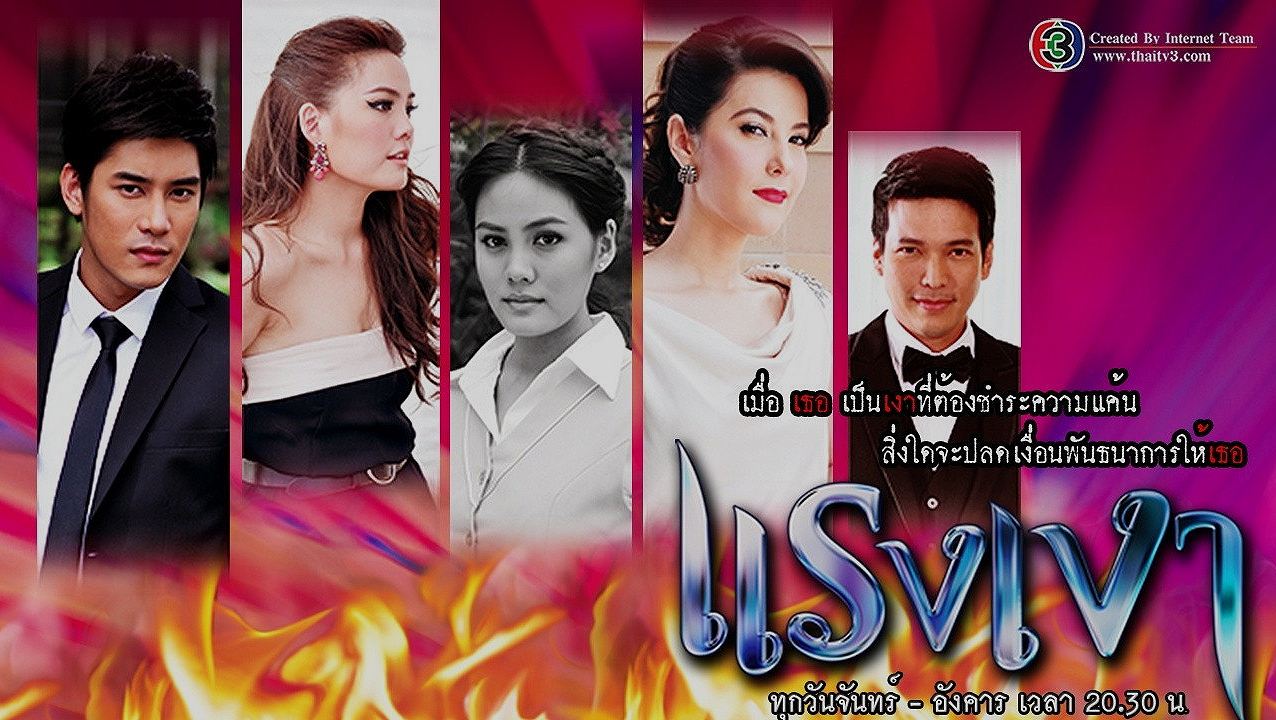
In the Thai drama industry, few series have generated lasting buzz like Shadow of the Past. This drama presents the story of twin sisters with completely opposite personalities, exploring dimensions of love, revenge, and self-discovery. Although it aired in 2012, the issues it raises remain contemporary, including social inequality, education as a tool, and family trauma affecting life.
Plot Summary (No Spoilers)
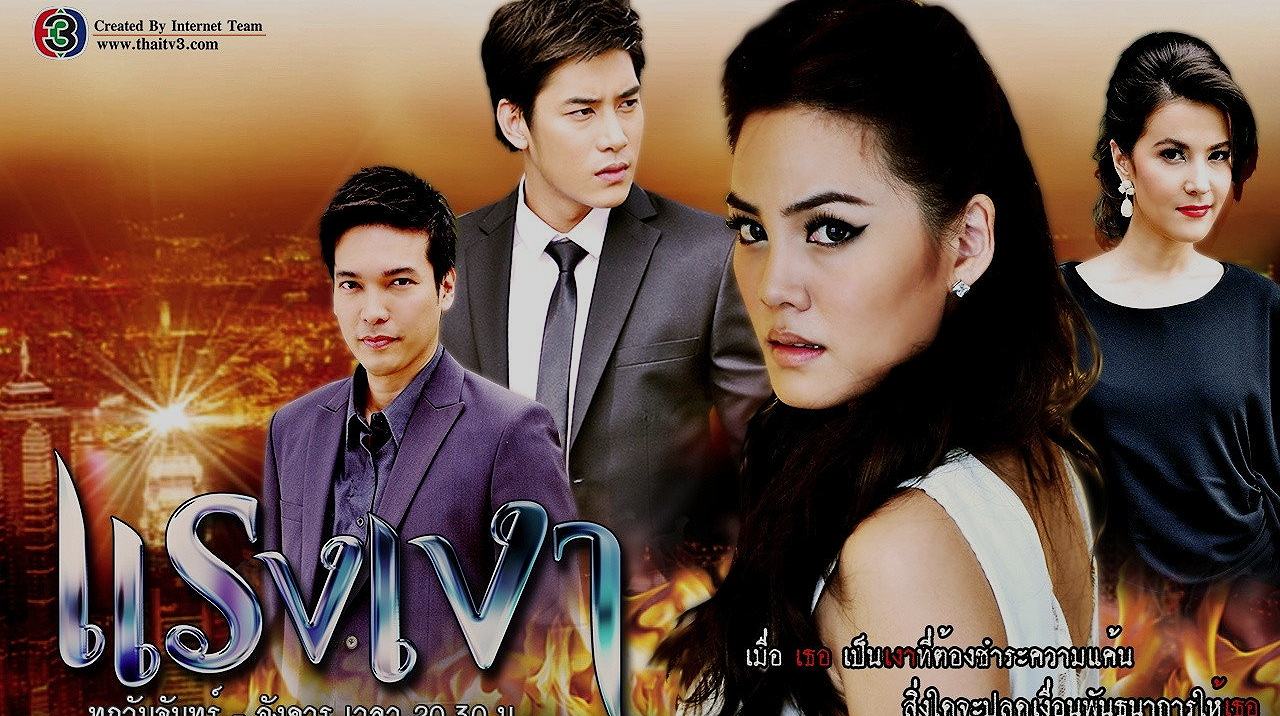
Shadow of the Past tells the story of Munin and Mutta, twin sisters whose lives are as different as heaven and earth. Munin is a rebellious child, disliked by her parents, while Mutta is the apple of her mother's eye. Jealousy and resentment build from childhood. As adults, Munin uses her intelligence to excel academically and build a successful life abroad, while Mutta remains sweet, romantic, and dreams of escaping her sister's shadow.
The turning point comes when both must confront each other in Bangkok, leading to intense conflict—without revealing the ending. The story unfolds through the perspectives of characters shaped by their pasts, allowing viewers to see both the good and dark sides of each.
Acting and Characters
One of the strongest points of Shadow of the Past is the performance of Janie Thienphosuwan, who plays both twins. She brilliantly conveys the difference between the strong, sharp, vengeful Munin and the gentle, fragile, dreamy Mutta. Her ability to switch personalities in a split second keeps viewers on edge.
Phuphoom Phongpanu as Wekit also does well as the character linking the two sisters, though his role is somewhat limited by the straightforward hero archetype. His chemistry with Janie adds depth to the story. Thanyares Engtrakul as Napa (Wekit's mother) portrays cunning and ambition convincingly.
Direction, Cinematography, and Music
Directed by Adirek Singhalai, who skillfully unfolds the plot gradually, allowing viewers to understand the characters' motivations without feeling drawn out. The cinematography, while not as striking as later works, uses lighting and color to convey emotions effectively, especially in scenes where Munin is in darkness or dim light, reflecting her inner turmoil.
The soundtrack by Thirdsak Janpan is distinctive, particularly the theme song performed by Da Endorphine ("Shadow of the Past"), whose lyrics perfectly align with the themes of revenge and social satire.
Editorial Analysis
The editorial team views Shadow of the Past as more than just a women's drama; it is a satire of Thai society that overvalues education. Munin uses education as a ladder to success but loses her humanity, while Mutta, being soft-hearted, is seen as inferior. This issue remains relevant today, as Thais often judge people by their degrees rather than their morals.
Another angle is the concept of "shadow" reflecting true identity. Munin tries to escape her shadow as a poor child but is haunted by her past, while Mutta seeks her true self beyond the image of a harmless beauty. The drama prompts questions: Are we living to meet others' expectations? What is true revenge?
Verdict
Shadow of the Past is a drama worth watching for fans of intense family drama and stellar acting. Despite some flaws, overall it is a powerful work that remains meaningful to this day.
Screenshots
👍 Pros
- +Janie's outstanding performance, clearly portraying opposite twins
- +Intense script with contemporary social issues and twists
- +Soundtrack and theme song enhance emotional engagement
👎 Cons
- −Some parts drag, especially in the middle
- −The male lead character is somewhat shallow and lacks depth
Top Cast





FAQ
The 2012 version updates the script to be more modern, adds more rationale to Munin's perspective, and emphasizes social issues like education and urban life.
Shadow of the Past 2012 has 30 episodes (including the finale), aired on Channel 3.
The drama has an open-ended conclusion that allows interpretation, focusing on forgiveness and finding one's own happiness rather than winning or losing.